 Home
Home Share
ShareConsider a Backup Phone When You Travel
October 2026 — Tip of the Month
As I learned during my recent trip, a broken phone can bring your travel plans to a halt. Things you take for granted, like sending texts, taking photos, viewing maps, and requesting rides, suddenly become impossible. When you're traveling and absolutely need a connection, a backup phone can be well worth the small investment.
You don't need another flagship smartphone. An inexpensive unlocked phone — or an older phone you already own — can handle calls, messages, maps, and ride-sharing apps. Before leaving, charge the backup phone, update its software, and sign in to the essential apps so it's ready to go in a pinch.
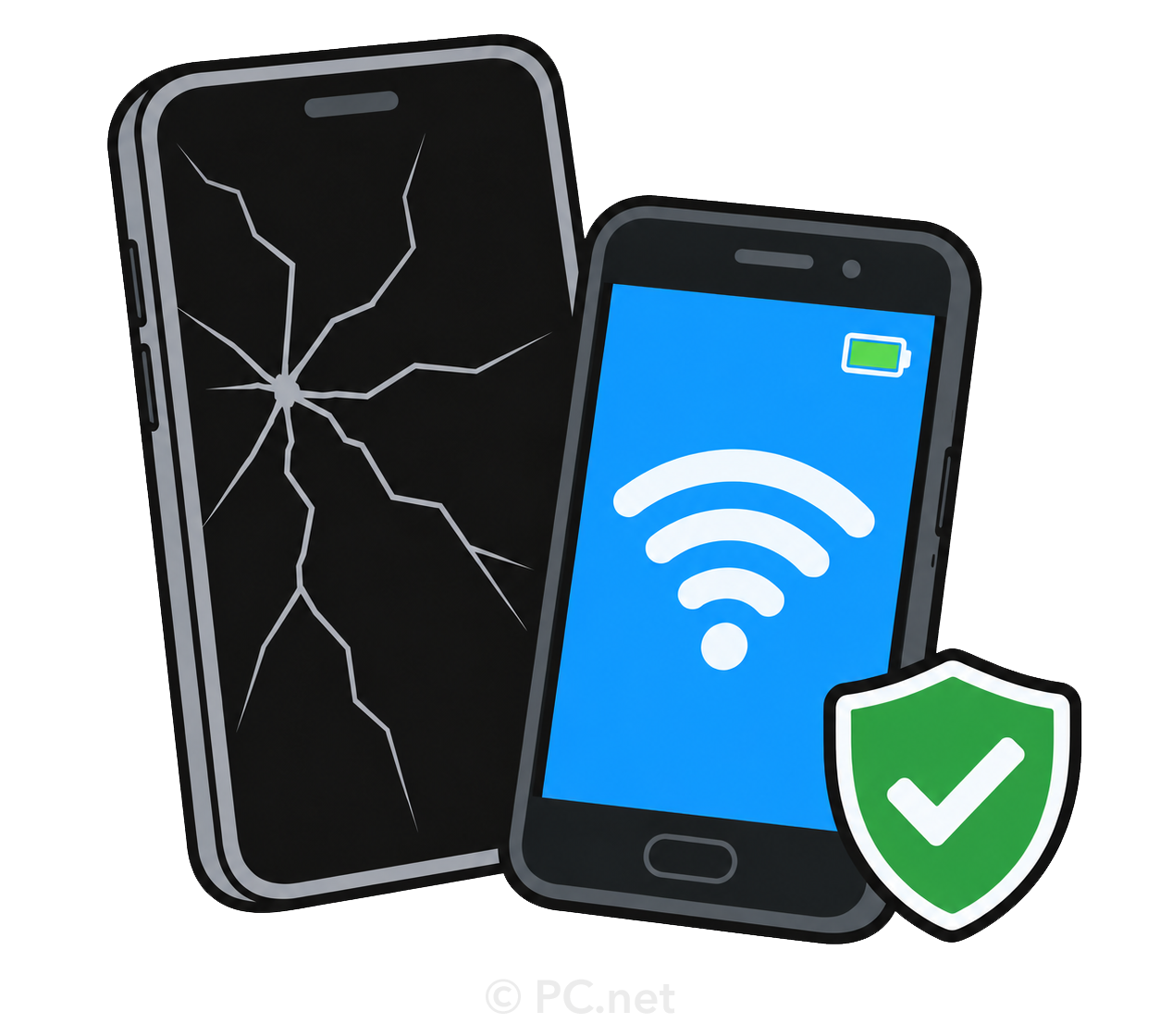
Most importantly, your backup phone needs to be able to get online. If it doesn't have its own cellular service plan, you'll need Wi-Fi when your primary phone is unavailable. For a more dependable fallback, consider a low-cost prepaid plan that works where you're going. A data-only travel eSIM can provide Internet access on a compatible phone, but it won't receive ordinary calls or verification texts sent to your primary number.
▶ If your backup phone does not have its own data plan, it's wise to download local maps at your destination before your trip.
Keep the backup powered off to save battery and store it separately so one mishap is less likely to take out both devices. Hopefully you won't need it, but having a secondary phone can turn a major disruption into a manageable inconvenience.
 September 2026
