October 1, 2026
 As I learned during my recent trip, a broken phone can bring your travel plans to a halt. Things you take for granted, like sending texts, taking photos, viewing maps, and requesting rides, suddenly become impossible. When you're traveling and absolutely need a connection, a backup phone can be well worth the small investment.
You don't need another flagship smartphone. An inexpensive unlocked phone — or an older phone you already own — can handle calls, messages, maps, and ride-sharing apps. Before leaving, charge the backup phone, update its software, and sign in to the essential apps so it's ready to go in a pinch.
September 18, 2026
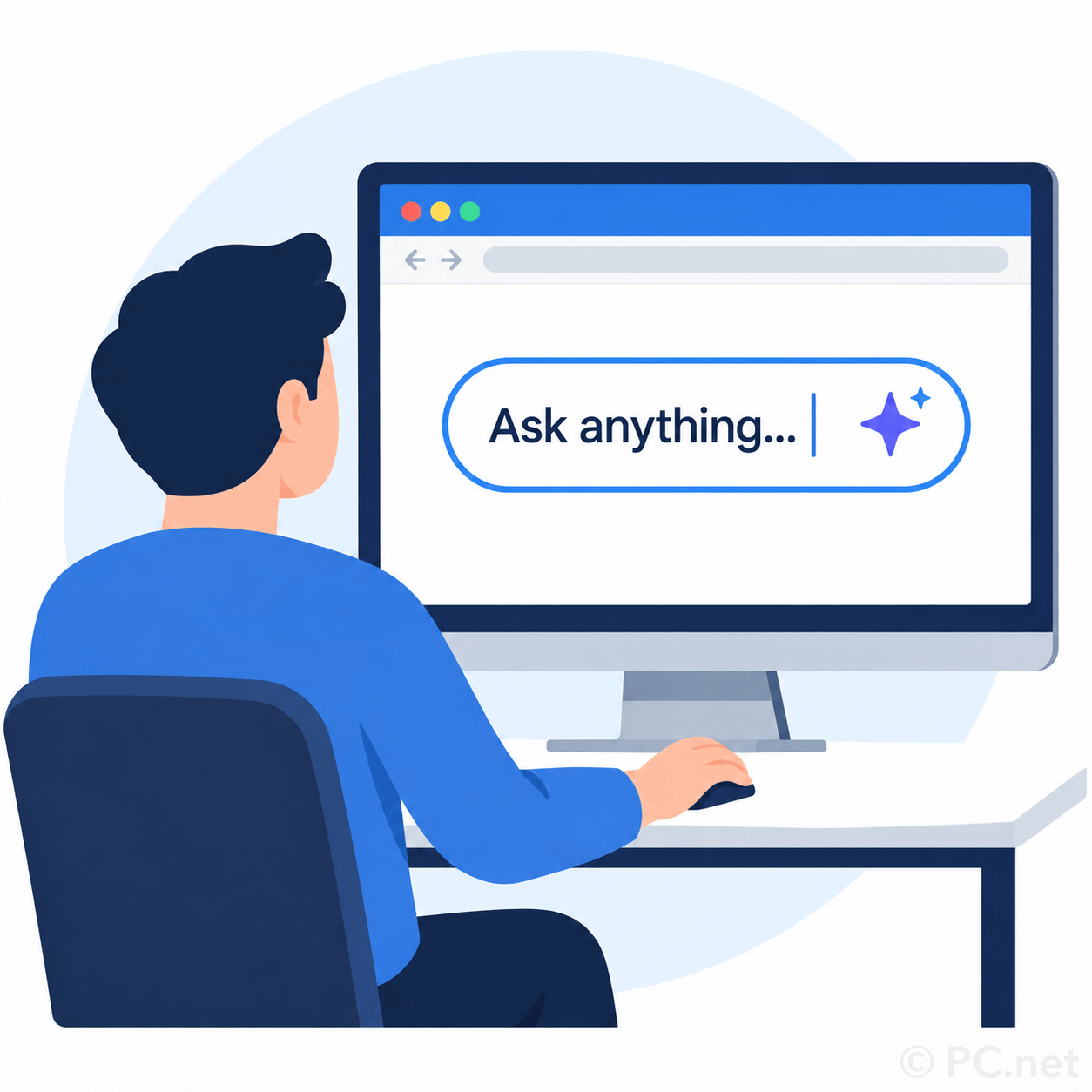 You're probably reading this on a web browser. But do you remember actually "browsing" the web? Most people using the Internet today never had to browse. They've been typing queries into search engines for as long as they can remember. And next generation won't even remember searching. They'll only have to ask.
The progression makes sense: Searching is easier than browsing, and asking is easier than searching. Search engines did the browsing for us, and now AI engines search on our behalf. We used to be impressed by how quickly Google could return a list of sites based on the keywords we entered. Now, that’s too much work. We expect the results to be distilled into an answer so we don’t have to sort through them.
September 1, 2026
 Students: As you enter the 2026-2027 school year, remember that AI tools can help with schoolwork, but they should not replace your own thinking. Before asking AI to outline a paper, solve a problem, or generate ideas, spend a few minutes thinking independently. Write down what you already know, develop an initial argument, or attempt the problem yourself.
The purpose of school is to learn. You don't go to school to simply produce correct answers or turn in polished assignments. Classes and completing homework are meant to deepen your knowledge and help you develop skills such as reasoning, creativity, and communication. Struggling with a difficult question is often part of that process. If AI does the thinking for you, you may finish the assignment but lose the opportunity to grow.
August 1, 2026
 When your hard drive or SSD nears capacity, it can cause more problems than simply leaving no room for new files. I was recently reminded of this when my iMac Pro's 2TB internal flash storage reached 99% usage.
Some applications (e.g., Adobe Photoshop) wouldn't open, and others (e.g., Apple Mail) would crash while running. It makes sense, since Photoshop needs a certain amount of disk storage for its "scratch disk," and Mail uses a disk cache to store and organize new messages. Both of these problems went away when I deleted about 40 GB of data.
July 1, 2026
Have you ever noticed your laptop getting warm or even hot after using it for a while? It’s not just in your head — laptops can get noticeably hot since the CPU, graphics chip, battery, and other internal components all generate heat during operation. Processor-intensive apps like video games, video editors, and AI applications can increase the temperature of your laptop, which may be noticeable through the laptop case. Charging the battery and using your laptop in a warm environment can also cause it to heat up faster.
To prevent overheating, laptops automatically reduce their performance when they become too hot, making them feel slower or causing the fans to run at full speed. To help your laptop stay cool, use it on a hard, flat surface that allows air to circulate around the vents. Avoid placing it on blankets, pillows, or your lap for long periods if the ventilation openings are blocked. If you’re working outdoors or in a hot room, keep the laptop out of direct sunlight whenever possible, since the ambient temperature affects how efficiently it can cool itself.
June 1, 2026
A few years ago, it was still pretty easy to tell the difference between real photos and videos and those created with artificial intelligence. That's no longer the case. Chances are you've been tricked at least once by something that looked real but was actually created by AI.
It's getting harder to tell what's real and what's not, especially on social media. Here's how you can stay savvy:
May 1, 2026
It's not something most of us want to think about, but it's important to set up a legacy contact in case something happens to you, and you can no longer access your online accounts. A legacy contact is a trusted person you designate to handle your digital data if something happens to you. Without one, your loved ones may struggle to access vital information, preserve memories, or settle your affairs.
Here are a few common accounts where you should consider setting a legacy contact: